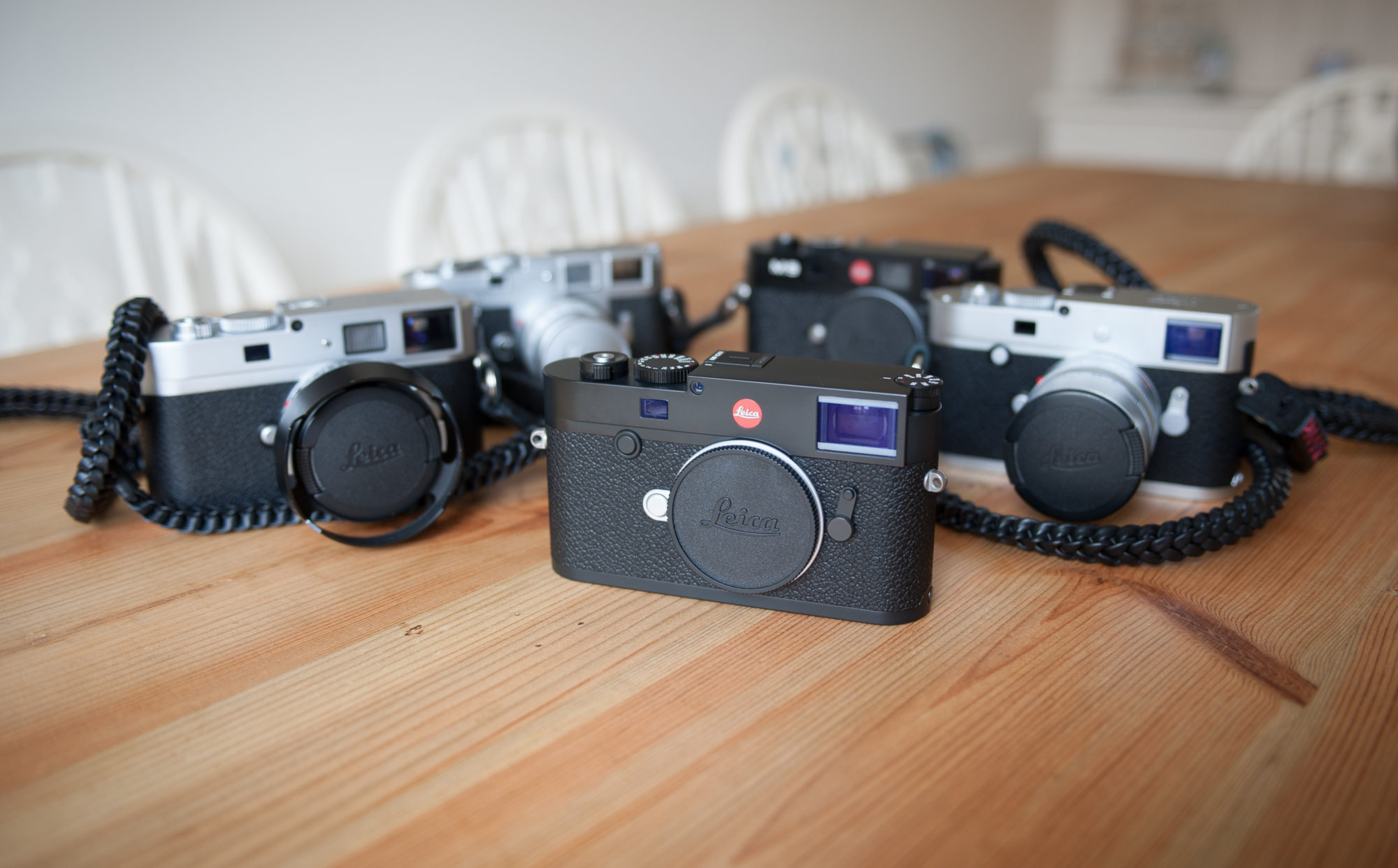
This will be my ongoing user review of the Leica M10. I will add to it continuously as I learn more about the camera, so please bookmark this page and stop back often.
If you register your email address, I’ll notify you as and when I release the next chapter. Please also follow me on Instagram ‘gavinpitts’ for regular Leica M photos.
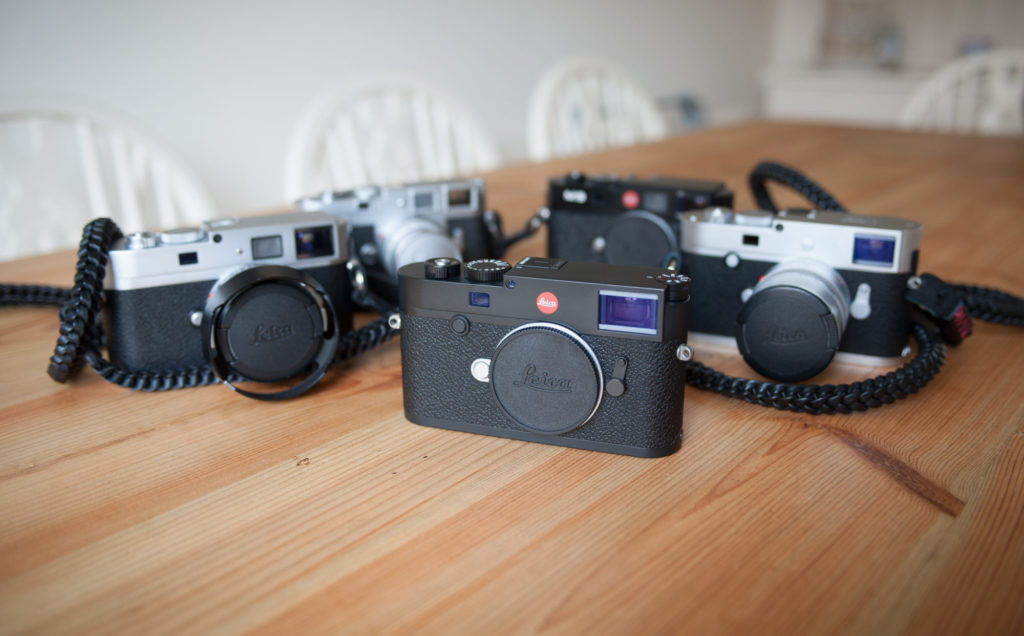
Leica M10
Despite only having had my Leica M10 for a few weeks, I’ve already shot nearly 3,000 frames with it at the point of starting this article. A lot of Leica photographers don’t shoot that many frames in a year. There’s a good reason for this though. Quite simply, I cannot put the camera down! That in itself tells me that Leica got it right with this camera.
Is it perfect? No it isn’t! What is perfection though?
There’s no doubt we all strive for perfection but rarely, if ever, is it achieved. Not only that, perfection to one person can be something completely different to someone else. More often than not, I’ve found that what someone believes to be perfect, turns out to be very different from that which actually makes them happy.

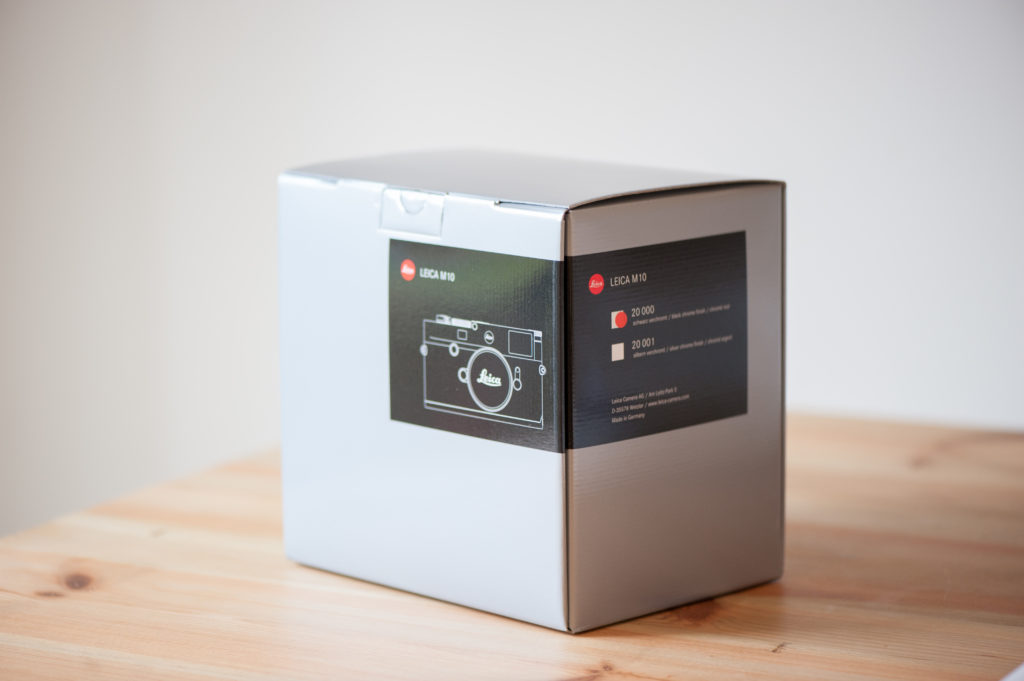
This will be my on going review of my experience with my Leica M10 camera. I’ll take you on my journey and through my words and pictures, you’ll get to see exactly what I think of the M10 and together we can find out whether the Leica M10 is in fact, as good as I think it is right now.
Before we begin, let me bring you up to speed on my Leica M journey thus far.
Where it all began for me
My first digital Leica was the M9. The M8 with its cropped sensor, wasn’t quite enough to lure me into the digital Leica realm, although it came close on more than one occasion. With the release of the full frame M9, I could resist no longer. I purchased one in black paint, which I still own to this day. I shot pretty much exclusively with the camera for three years. It went everywhere with me and captured hundreds of thousands of images. The M9, along with my Leica lenses, gave me a look that was different to everything else out there. It also made photography fun and inspiring again, by stripping back everything that wasn’t essential. I had full control of everything. I was hooked on Leica from that moment on. Other digital M cameras have come and gone for me since that first M9, however it remains in my stable to this day. That’s how strongly I fell for this camera. I will be writing an article on the Leica M9 soon, which will go into more detail on why I love this camera so much and why it is still such a relevant camera today, nearly eight years after its release. Something unheard of in the digital age!
Leica release the Leica M Typ 240
In 2012, Leica came out with a new M camera, the M Typ 240 or M240. This is the camera that was to address a lot of the M9 shortcomings, of which there were quite a few. It was going to take the Leica M camera into the modern day world of digital photography and appeal to a bigger slice of the market than previous digital Ms had by being a more ‘complete’ camera. To all intents and purposes, it did just that.
It had a faster processor, a class leading battery capacity, a marginally improved buffer, nicer sounding shutter, higher resolution screen and an overall better build quality. Not only that, we now had HD video in a Leica M camera.
The Leica M240 however, had its own set of problems. When the camera was first released, it suffered terribly with its auto white balance control. Photos would often end up looking overly warm. Colours in general were hard to get right and skin tones in particular took on a very red/orange tint. You could improve it in post to some degree, but never fully eradicate it. It was one of the major contributors to me selling my M240 after a few months and purchasing a chrome M9-P to sit alongside my beloved M9. The M240 was just a bit too much like hard work, especially when I generally preferred the look I was getting from my M9.
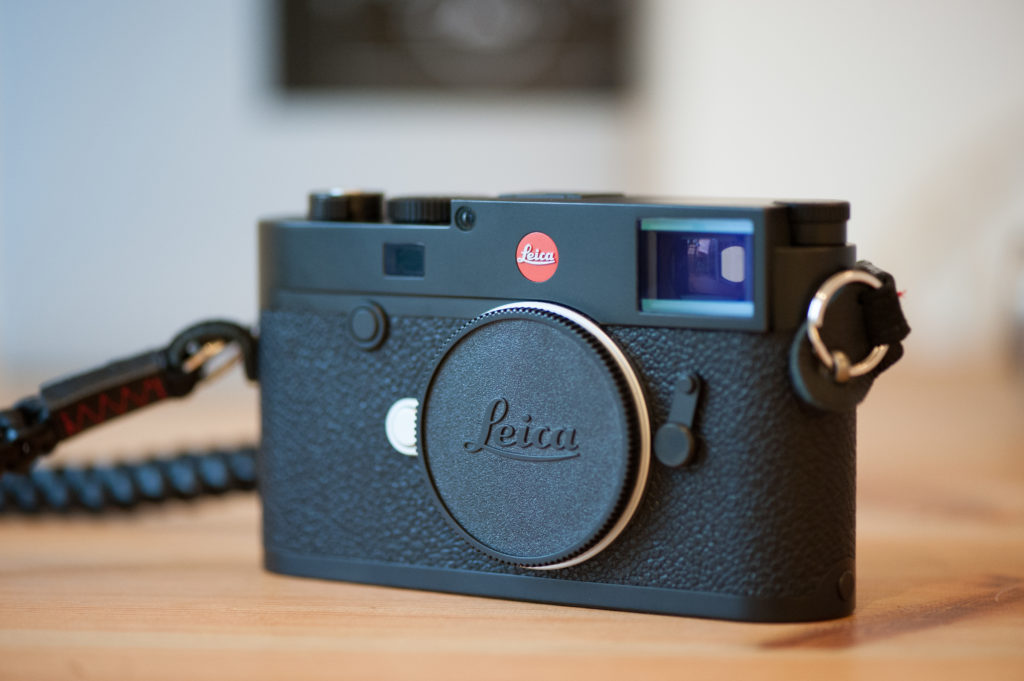
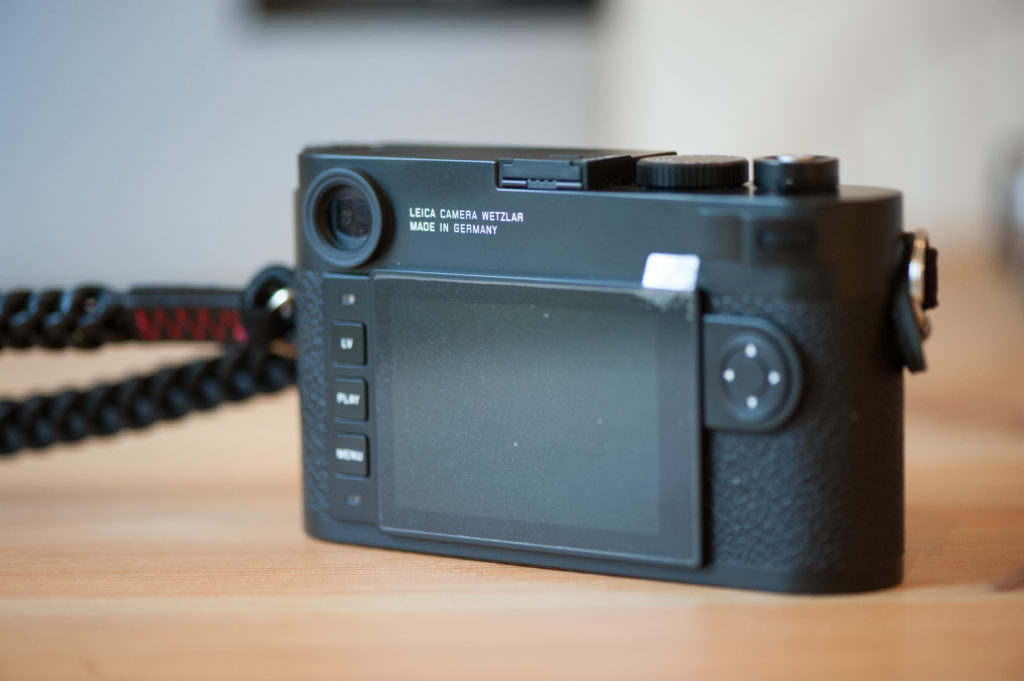
To Leica’s credit though, through firmware updates they managed to tame the auto white balance and really got the colours of the M240 to sing. So much so, that I would go as far as to say that I now generally prefer the colours of the M240 over the M9 the majority of the time. It may not be able to quite match the M9 at base ISO, when the light is just perfect. In all other scenarios though, the M240 is a much more versatile camera.
ISO was also improved on the M240. Whereas I would comfortably shoot the M9 at 800 ISO, I would push the M240 to 3200 ISO and expect a similar result. Doing so does place a greater importance on getting the exposure right. Lifting the shadows at 3200 can introduce banding. The dynamic range is also considerably reduced at 3200 ISO, which can lead to clipped highlights if you don’t watch your exposure. It’s not a big problem though if you apply some due diligence.
The return of the M240 as the M-P Typ 240
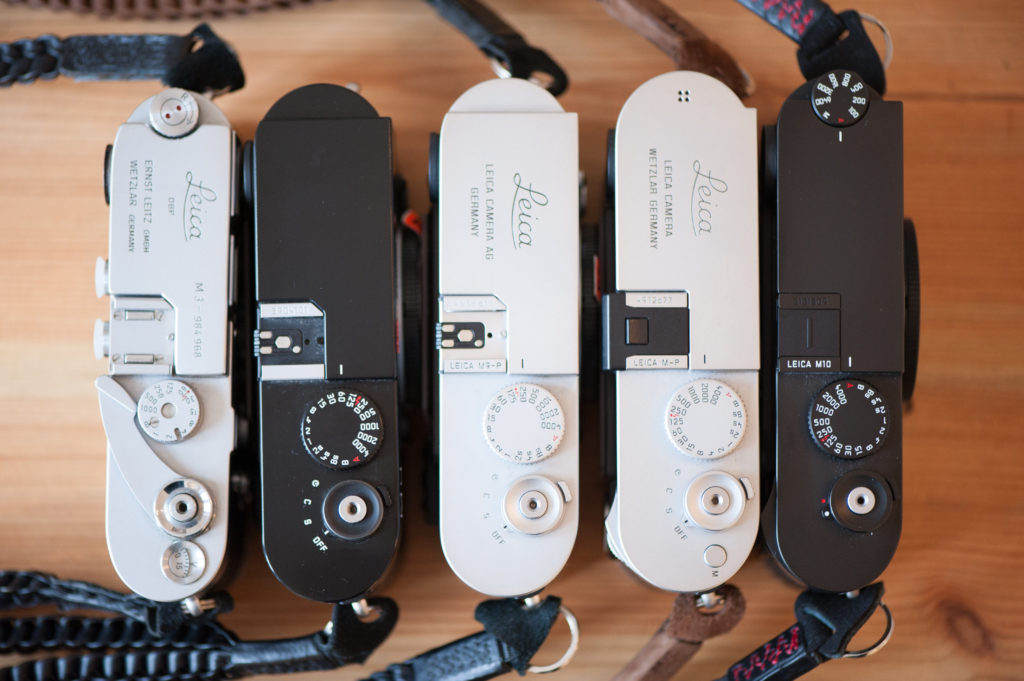
In 2014, Leica introduced the M-P into the M line up. The M-P, just like the M9-P before it, is a retro styled camera. The red dot was removed from the front of the camera and the classic Leica script applied to the top plate. It looks like a classic film Leica. And just like the M9-P, it also has a sapphire crystal screen cover, which makes the screen much harder to scratch. The feature that really appealed to me though, was that the M-P now came with a 2GB buffer, over twice as big as any previous digital M camera.
I had started to become a little frustrated with my M9 at the time. On more than one occasion, the camera had frozen on me, requiring the removal of the battery to get it going again. I had also run into the buffer wall and missed moments on more than a few occasions. I’m not a rapid fire photographer by any stretch of the imagination. I now had two young kids, which I didn’t have when I first got my M9. The fact that they never kept still for very long, meant that I often needed a handful of shots to get the expression I wanted on both their faces, at the exact same time. The problem was the M9 allowed just six or seven shots before hitting the buffer wall. Once you hit it, it was pretty much game over for a good ten seconds before the camera would let you take another photo. I also found that the shutter would sometimes refuse to re-cock, if the camera was writing to the buffer at the same time. The M-P on the other hand would allow me to take a good fifteen plus photos before hitting the buffer wall. When it did, I could still continue taking pictures at a slower pace while the camera wrote to the SD card. Thus, I immediately bought an M-P in chrome. I must point out though, that once you get up over 1000 ISO on the M-P240, the amount of shots you can before hitting the buffer wall reduces considerably.
For the last two and a half years, the M-P has been my daily shooter and has gone everywhere with me. I’ve loved the improved build quality and reliability it gave me and the bigger buffer has meant that I never missed a photo opportunity. I don’t baby my Leica’s, I wear them across my body as one should do, so I’m always ready to capture a moment when it presents itself. You can’t plan for the best photos and they rarely happen more than once. The M-P has been a reliable companion!
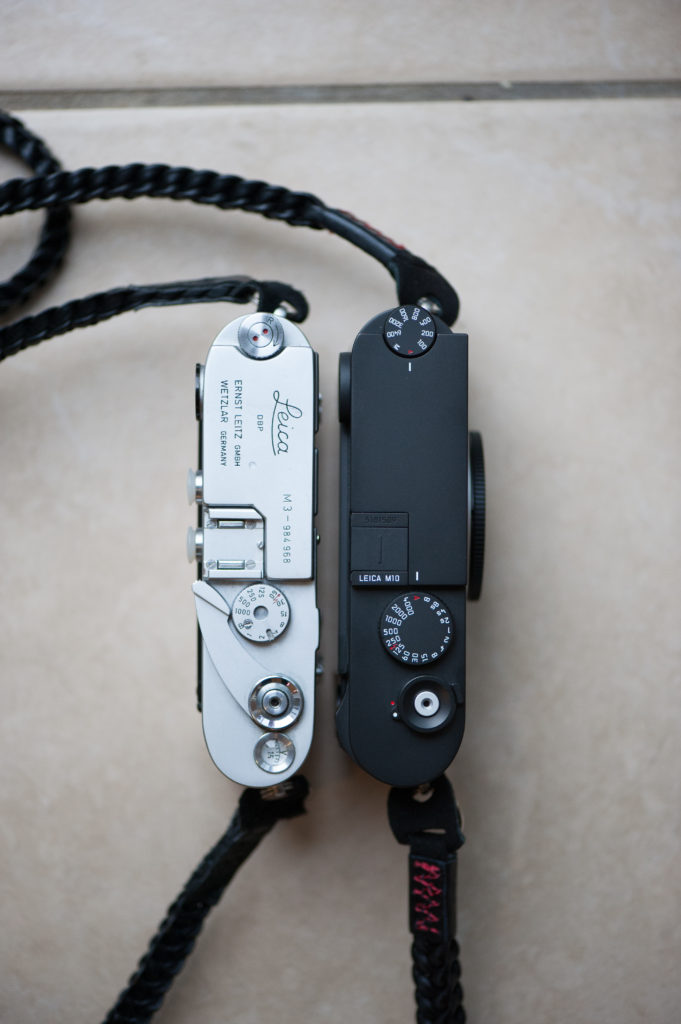
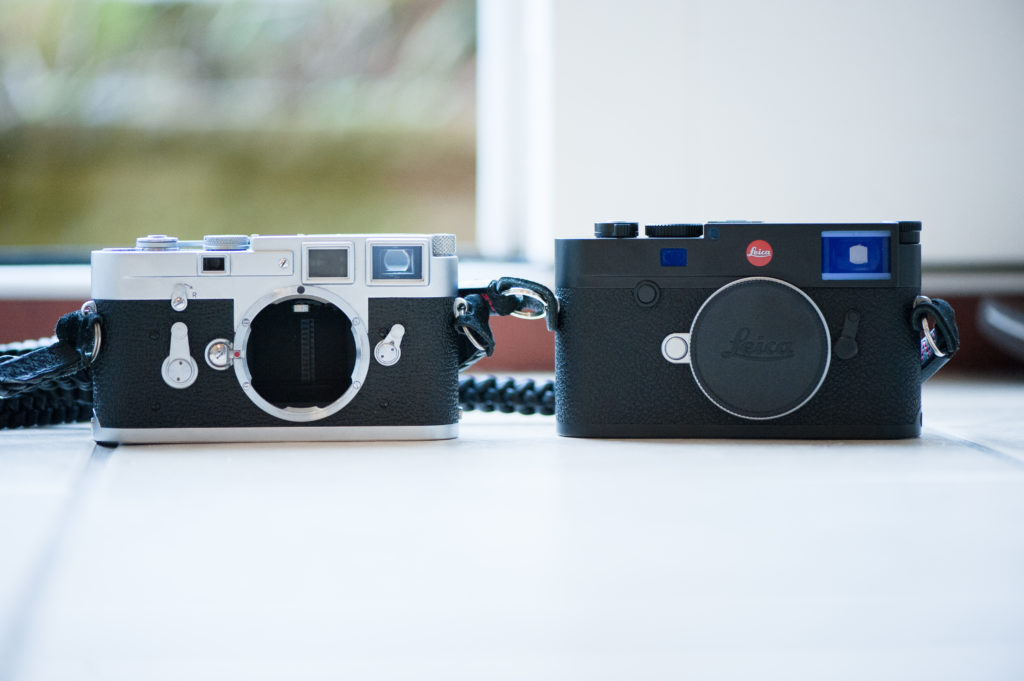
There were however, some things I didn’t overly care for with the M-P240. The extra size and weight of the camera over the M9 was noticeable when wearing the camera for extended periods of time. It wasn’t bad by any stretch of the imagination, but just not quite as nice or comfortable. You could notice the extra size and weight. In my opinion, the M3 is about as perfect as it gets for a Leica M camera in terms of size and weight. Heavy enough to feel substantial, but light enough to be worn for hours and not get in the way. It also feels great in the hand. There isn’t a piece of plastic used in the construction of the body. They’ll be an M3 article coming in the not too distant future, which also looks at shooting film in the digital age.
I also never really fell in love with my M-P, not in the same way as I did with my M9 or M9-P. The M9 had its flaws for sure, but it somehow always felt special and I felt excited owning and using it. The camera had a soul! In my opinion, the number one thing your camera should do, is inspire you to go out and photograph. The M9 did this for me every time.
The M240 got the job done and was incredibly nice to use for sure, don’t get me wrong. It was a great all-rounder, I just felt that it lacked a bit of that ‘Leica Magic’ somehow. The M experience and the rawness of the whole thing had become a little watered down for me with the increase in size, weight and menus.
The answer that is the M10
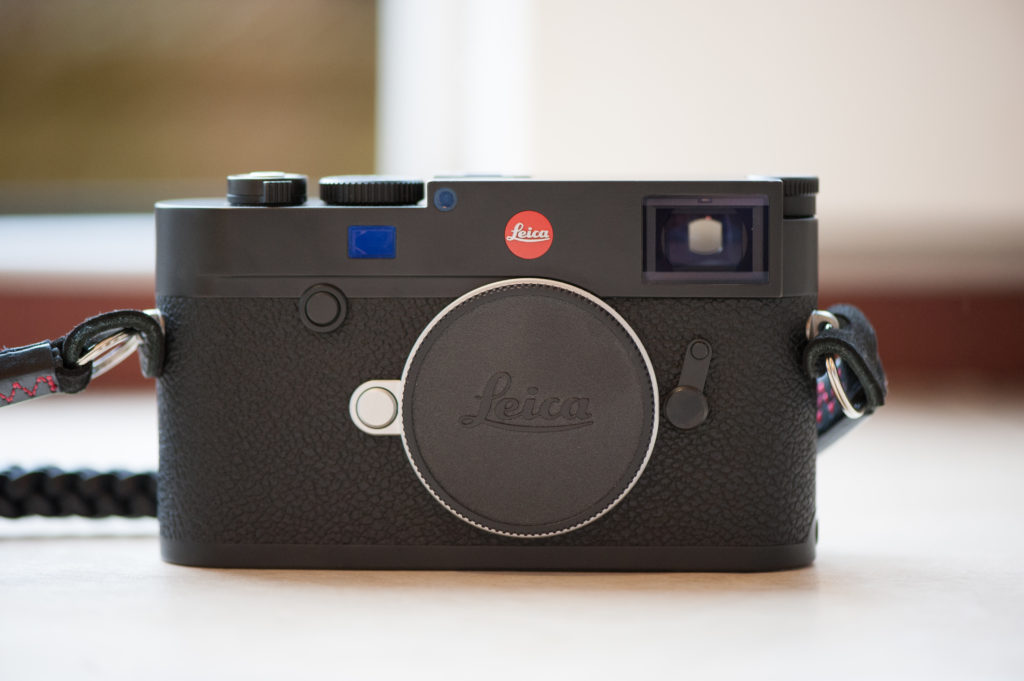
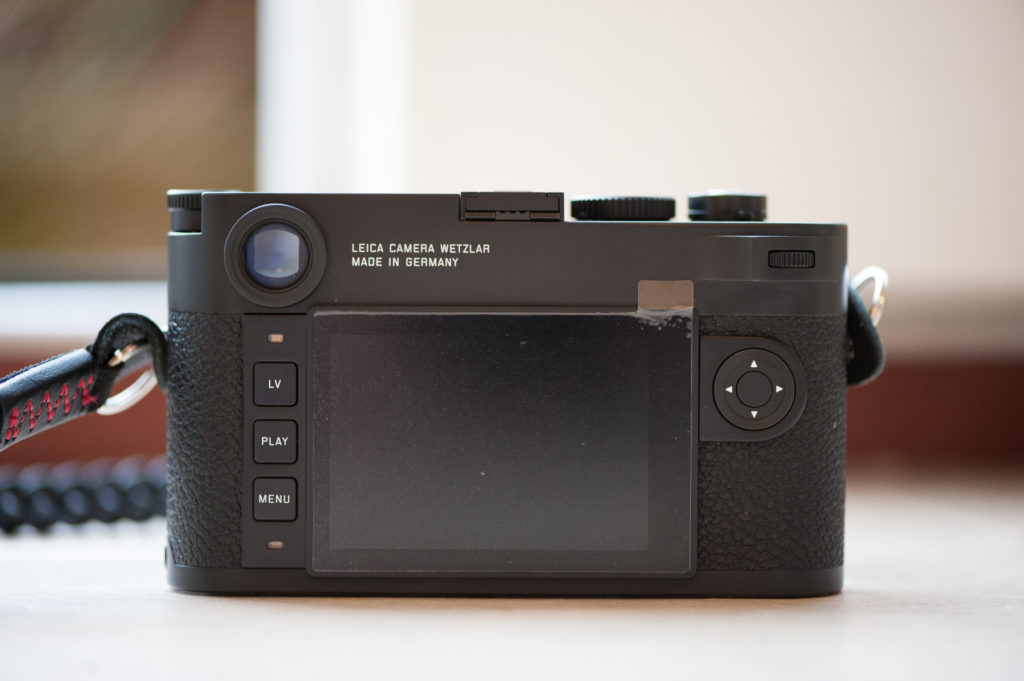
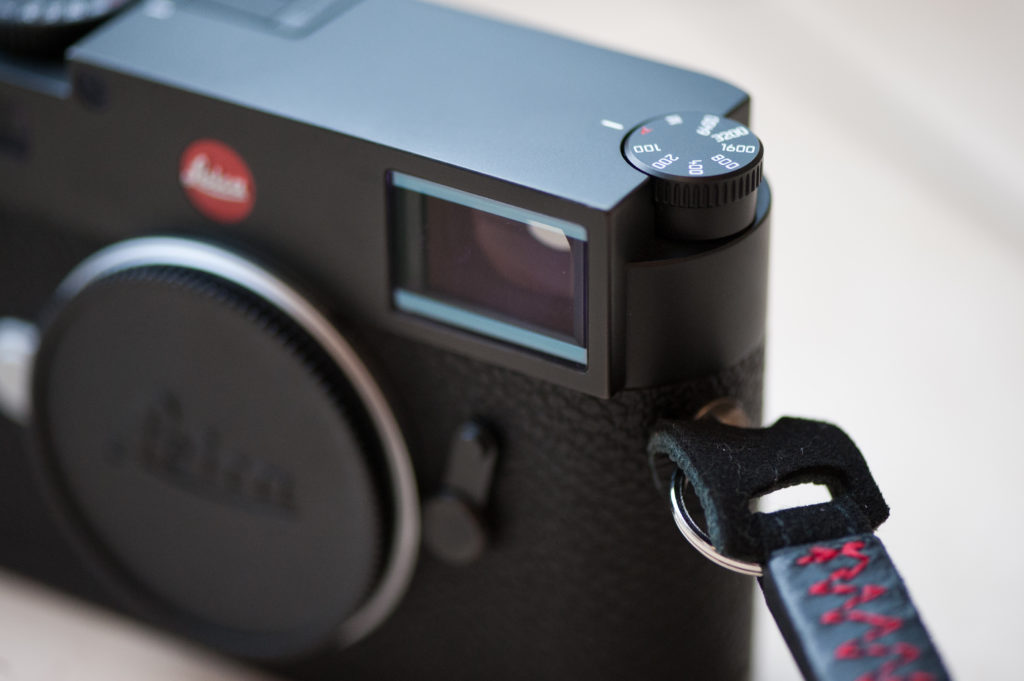
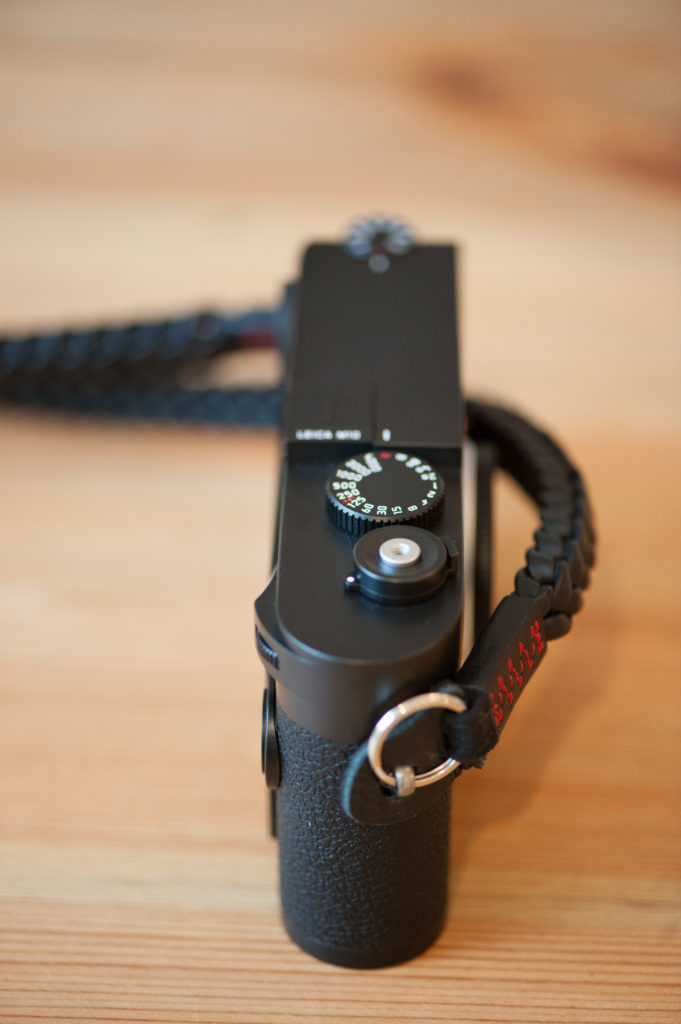
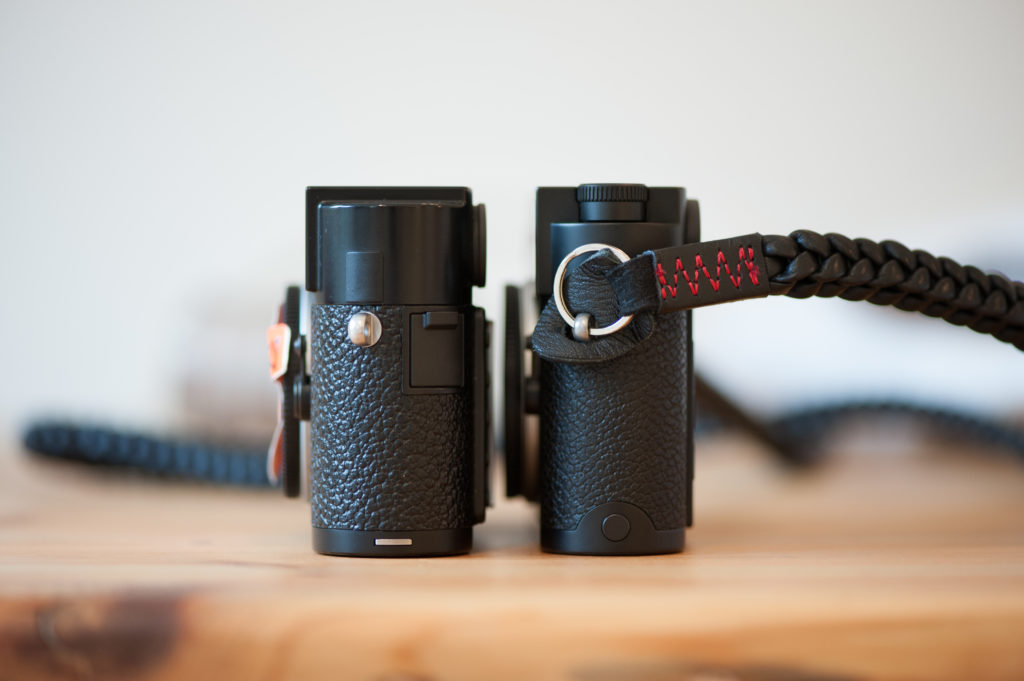
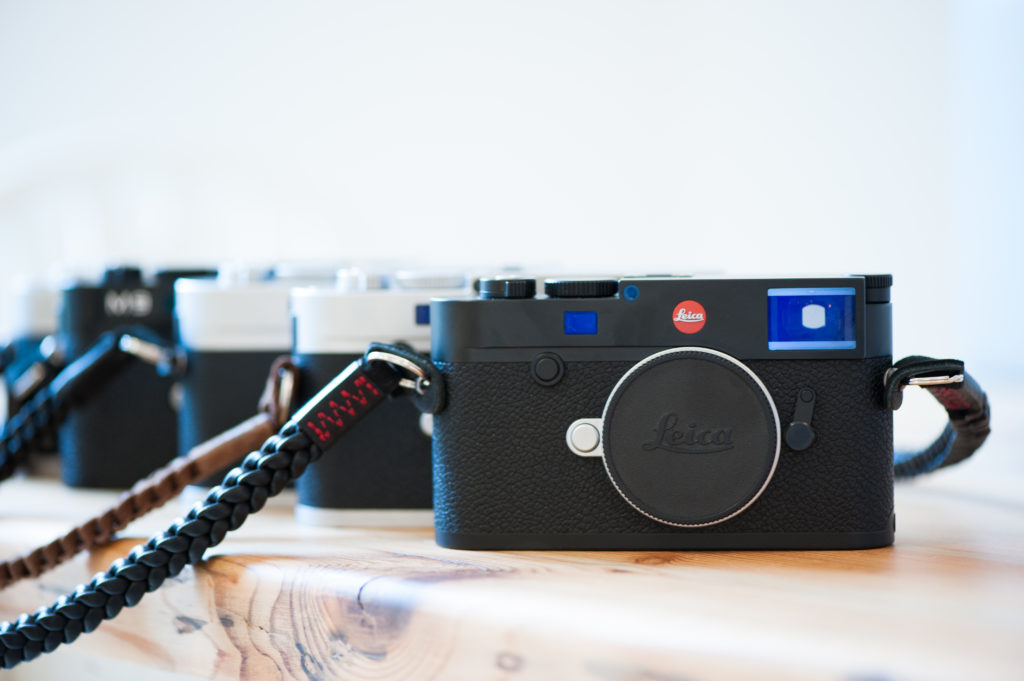
I guess a lot of photographers felt as I did about the M240. When the M10 was announced on the 18th January 2017, gone was the video feature, meaning there was no more of a requirement for a huge battery and the menu was shrunk to just two pages and a favourites as a result. That in turn meant that the camera could be lighter and much slimmer than the M240. And it is, much slimmer! In fact, the M10 is as slim as an M7 film camera. It feels great in the hand, it truly does. It’s amazing how much of a difference the slimmer body makes to the handling of the camera. It also sits incredibly well against the body when wearing.

The first thing I did when I received my M10 was charge the battery and then nip out the back garden to take a few test shots against my M240 and M9 cameras. The results were very pleasing. Looking at the files in Adobe Lightroom, I immediately noticed that the M10 files had colours more akin to the M240, but with the higher contrast and ‘snap’ or ‘pop’ of the M9. Highlights were well controlled and the detail in the shadows was phenomenal. Leica had clearly put a lot of effort into combining the best bits of both previous M digital cameras when it came to image quality. I liked what I saw, so I gave up with the testing and moved on.

Over the next few weeks, I started to hear some reports of the Leica M10 having poor highlight control and a tendency to clip the highlights in a rather abrupt manner. Looking at my photos, I too could see some examples of this highlight clipping. Why had I not encountered this in my initial tests? Looking back at my initial test photos, I noticed that I had set the ISO of the M10 to 200 ISO to match that of my M-P240. It got me thinking about the base ISO of the M10. Was 100 ISO actually the base ISO?
A quick flick through my M10 manual didn’t help, as there is no definitive answer there on what the base ISO of the M10 actually is. It purely states that the M10 goes from 100 to 50,000 ISO. Could it be that the M10 handles highlights better at 200 ISO?

I contacted Leica UK, who told me that the base ISO of the M10 sensor is between 100 and 200 ISO. So using either of those settings would be fine. This left me feeling a little sceptical. The sensor will have a base ISO that it performs best at. It’s native ISO. As a photographer, I want to know exactly what that ISO is. I decided to contact Leica Germany.
Leica Germany came back to me promptly, as they always do. Customer service from Leica is second to none in my opinion. They were able to clarify that the base ISO of the M10 is in fact closer to 125 ISO. You can therefore use either 100 or 200 ISO with no problem.

The problem is, 125 ISO is not a setting you can select on the M10, even using the ‘M’ option and selecting ISO through the menu. You therefore have to settle for a slight pull or a slight push away from the native ISO of the sensor. I should imagine that when DXOmark test the M10s sensor, that they will report that it performs better at 200 ISO than at 100 ISO in terms of dynamic range. I tend to find that sensors perform better with a slight push, than a slight pull, much the same as film.
It would also explain why I didn’t see any harsh clipping in my initial test photos, which were all shot at 200 ISO. Since discovering all this, I’ve been shooting my M10 at 200 ISO as the base setting. To my eye, the highlights appear to behave very similarly to those of my M-P240 at 200 ISO.
This is something I will come back to in a future chapter. For now though, I will say this. In normal use, I haven’t noticed highlight clipping to be a problem when paying attention to the exposure with the M10. I usually err on the side of slight under exposure with digital photography anyway, preferring to bring up the shadows in post if required. On that score, the M10 is simply stunning!




To be continued…